
Print · 5 min read · November 2026
Why printing quotes differ so much
Send the same brochure file to three printers in Chennai and you may get three very different prices. One seems cheap, one seems expensive and one is somewhere in between. Often they are not quoting the same thing: different paper, different finish, different quantity breaks or different printing methods.
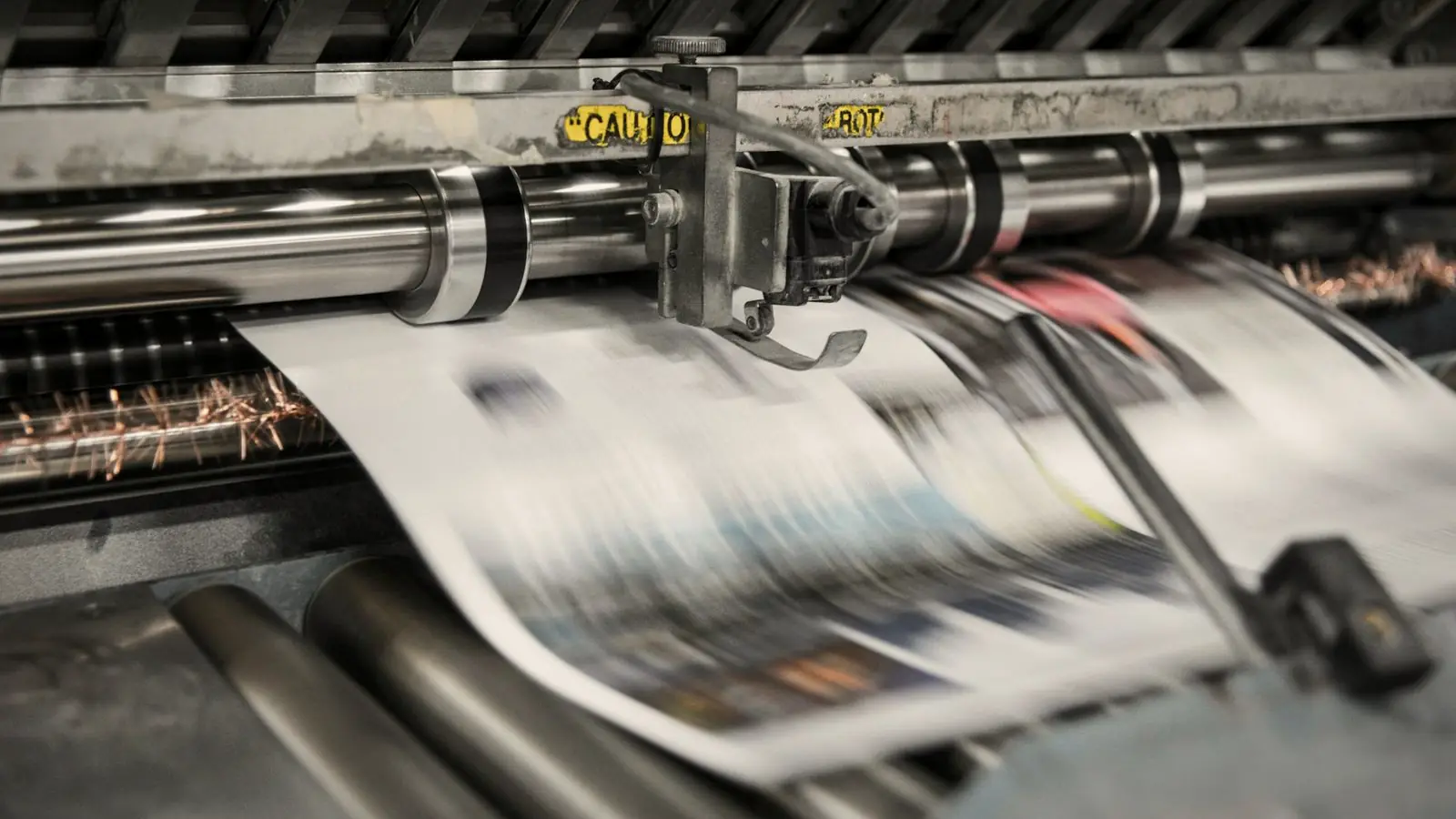
Here are the factors that change a printing quote, and how to request quotes so you can compare them fairly.
01
Quantity
Quantity has the biggest effect on the price per piece. Offset printing involves setup work, such as plates and machine preparation, so 1,000 copies may cost only a little more than 500. Digital printing has little setup, so it is cheaper for small runs but does not get much cheaper per piece at higher quantities.
Ask for prices at two or three quantities. Sometimes ordering a little more costs surprisingly little extra.
02
Paper
Paper type and weight make a big difference. Thicker paper (higher GSM) costs more. Coated art paper, matt or gloss, costs differently from uncoated maplitho. Special textured or premium papers cost much more.
If one quote is much cheaper, check whether it uses thinner or cheaper paper than the others.
03
Size and colours
Larger sizes use more paper and may need bigger machines. Full colour on both sides costs more than one side, or one or two colours only. For some jobs, such as letterheads or forms, a single colour can save money.
04
Finishes
Lamination, matt or gloss, adds cost and time. Spot UV, foil stamping, embossing, die-cutting and rounded corners each add more. These finishes can make a piece feel premium, but they can easily double the price.
Decide which finishes are worth it. A premium visiting card may justify spot UV; a mass flyer usually does not.
Ask printers to list each finish separately in the quote, so you can see what each one adds.
05
Binding and folding
Folding, creasing for thick paper, stapling, perfect binding, wire-o binding and hard covers all add cost. Booklets need page counts in multiples of four for stapling, and the number of pages affects the price significantly.
06
Method and machine
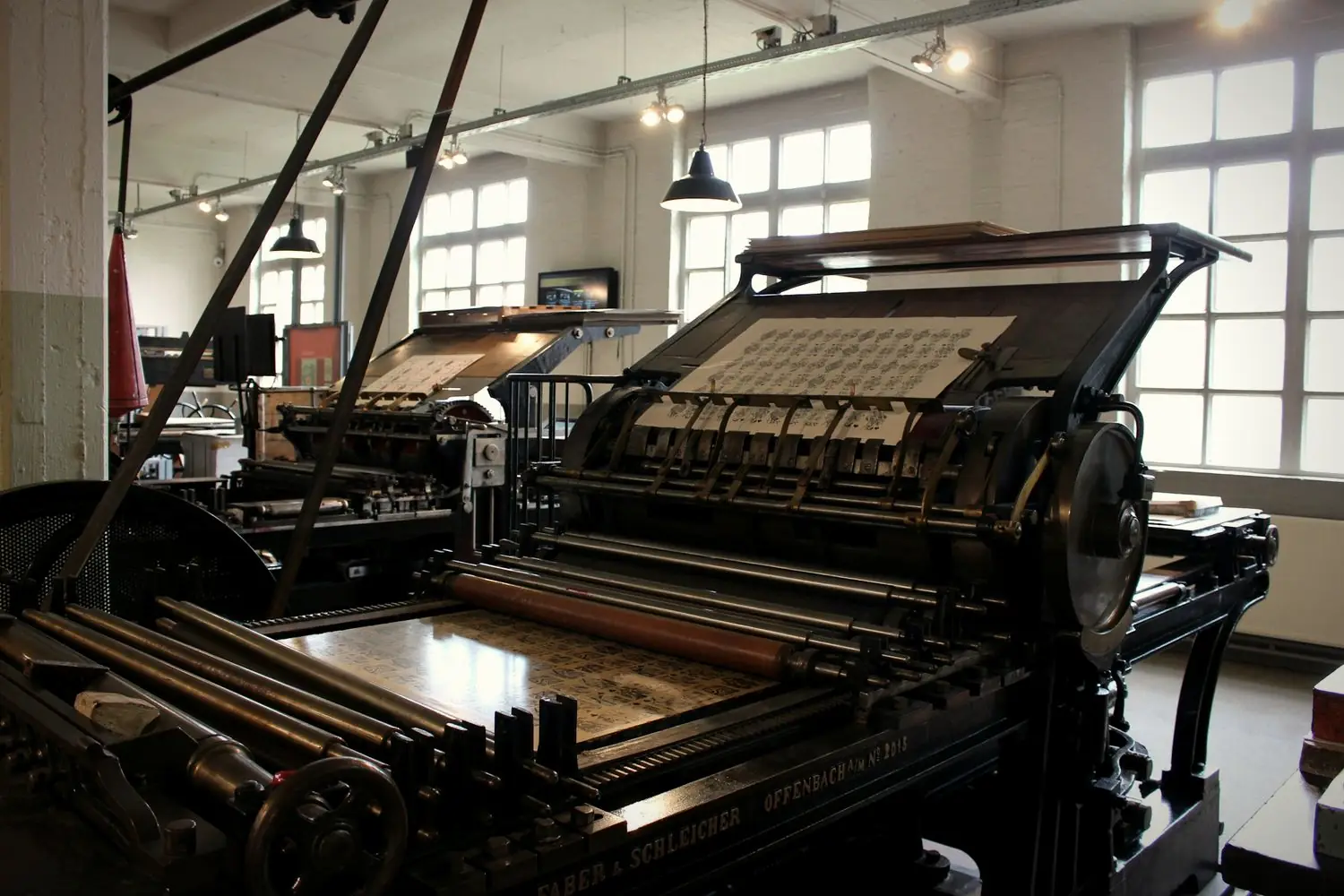
Offset printing gives consistent quality and low per-piece cost at volume. Digital printing is faster and cheaper for small runs. Large-format printers handle banners and posters. Different printers have different machines, which affects both price and quality.
07
Turnaround and delivery
Urgent jobs often cost more, especially in busy seasons like Deepavali, Pongal and December. Delivery to your location, packing and GST should also be clear in the quote.
Compare like with like
Printing quotes only make sense when they describe the same job. Specify the size, paper, GSM, colours, finishes, binding, quantity and deadline in writing, and ask every printer to quote on exactly that. Then differences in price reflect real differences in service, not hidden changes in specification.
A cheaper quote is only cheaper if it's for the same job.
Ask for a printed sample of similar work from each printer. Quality varies more than you might expect, even at similar prices.
Print quote request template
Item: brochure / flyer / card / poster Finished size: ... Pages or sides: ... Paper: type and GSM Colours: full colour both sides / one side Finishes: lamination, spot UV, foil, die-cut Binding or folding: ... Quantities: e.g. 500 / 1,000 / 2,000 Deadline and delivery: ... File: print-ready PDF with bleed
Send this to each printer with your file. Their quotes will be much easier to compare.
Once you find a printer whose quality and service you trust, stick with them for repeat jobs. Consistent colour, known paper stock and a printer who understands your preferences are worth more than saving a little on each order by switching. Long-term customers also tend to get better attention when deadlines are tight.
It also pays to involve your printer early, before the design is final. They can tell you which sizes waste the least paper on their machines, which finishes they do in-house and which they outsource, and where small changes to the specification would bring the price down noticeably. A five-minute call at the start can save a surprising amount on a large run.
Finally, remember that the lowest price is not always the lowest cost. A reprint because of poor colour, wrong cutting or late delivery costs far more than the difference between two quotes. Weigh reliability and quality alongside the number at the bottom of the quote.
Quick answers
Why is printing cheaper in larger quantities?
Offset printing has setup costs that are spread across the whole order, so the price per piece falls as quantity rises.
Is digital or offset printing cheaper?
Digital is usually cheaper for small quantities. Offset becomes cheaper per piece for larger runs, often from several hundred copies upwards.
How can I reduce printing costs?
Choose standard sizes, sensible paper, fewer finishes, order a quantity near a price break and plan ahead to avoid rush charges.
Related reading
Print-ready files any printer can quote on.
I deliver print-ready PDFs with a clear specification sheet, so you can get comparable quotes from any printer. Brochure design starts at ₹1,500 per page. Tell me what you need printed.