
Print · 5 min read · November 2026
Choosing the right paper for your brochure
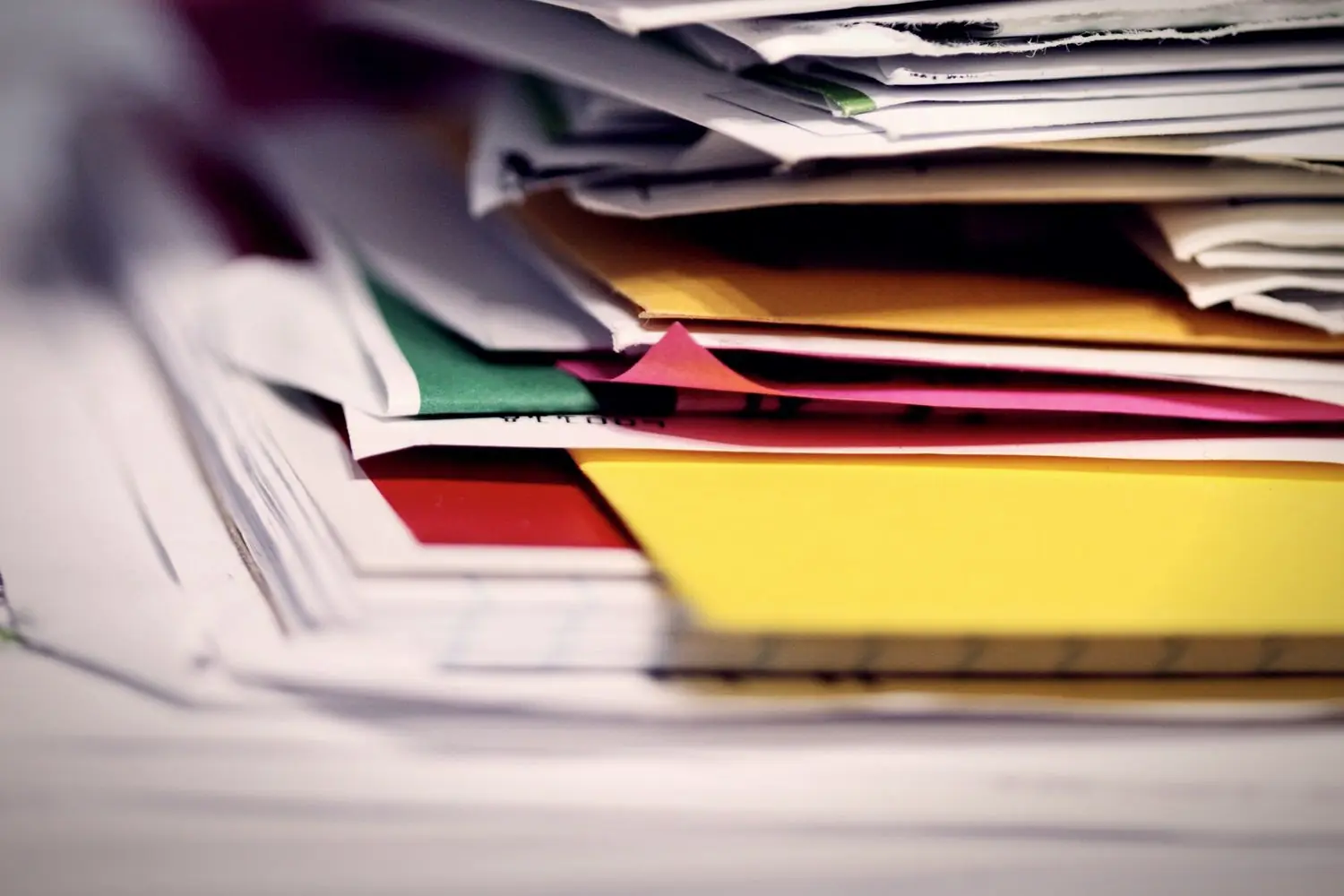
When you get a print quote in Chennai, the first question from the printer is usually "what GSM?" Many business owners have no idea, so they say "normal" and get whatever is cheapest. The design can be excellent, but if it is printed on thin, floppy paper, the brochure still feels cheap in the customer's hand.
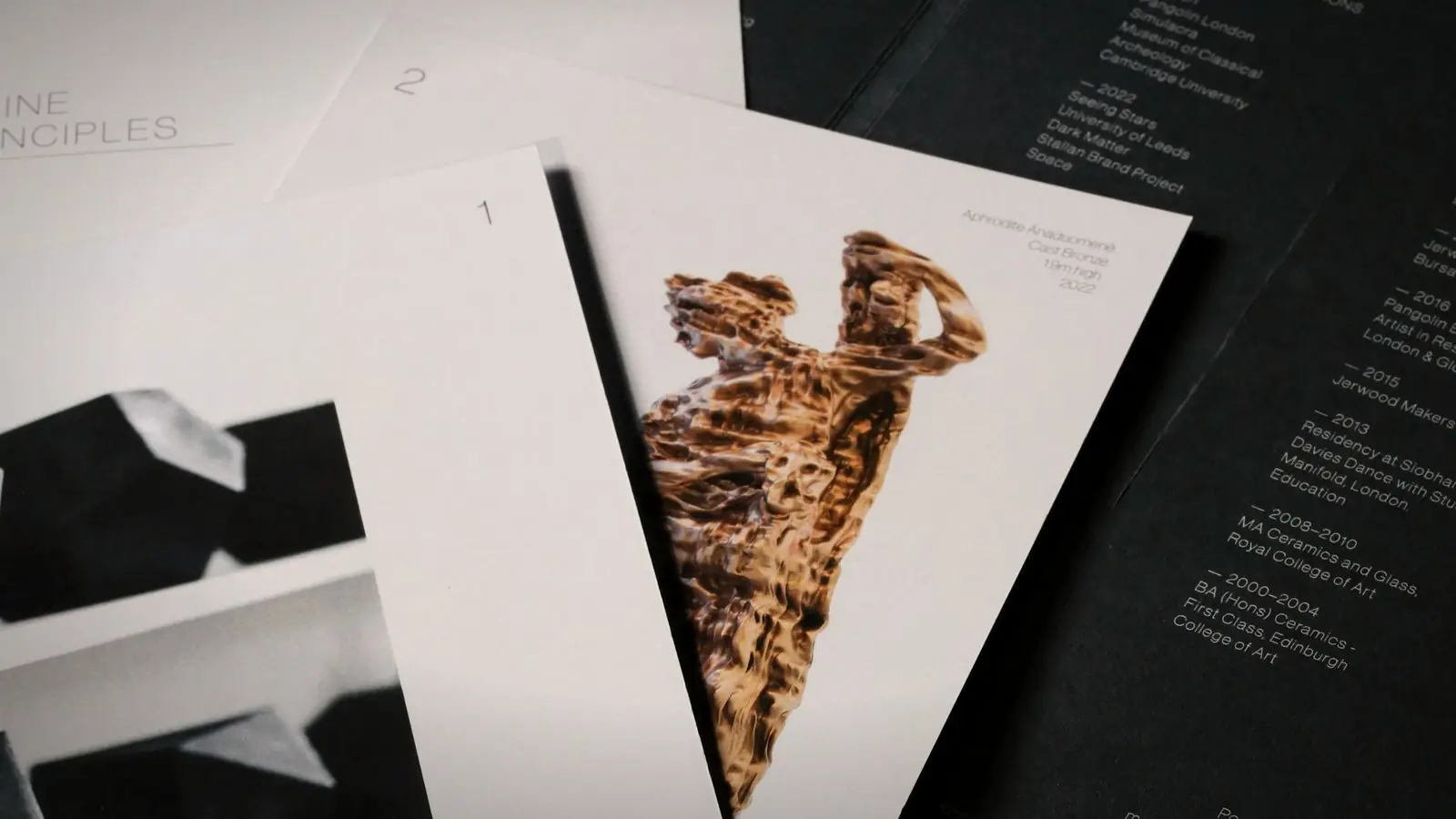
Here is what GSM actually means, how the common paper weights feel, the difference between matt and gloss, and which combination I recommend for each type of brochure and flyer.
01
What GSM means
GSM stands for grams per square metre. It is the weight of one square metre of that paper. Higher GSM usually means thicker, stiffer paper, though two papers with the same GSM can feel slightly different depending on how they are made and coated.
For brochures, the most common choices in Indian print shops are 130, 170, 250 and 300 GSM art paper. Normal office printer paper is around 70 to 80 GSM, which gives you a useful reference point.
02
130 GSM: flyers and handouts
130 GSM is a little thicker than a magazine page. It folds easily and is cheap to print in large quantities, so it suits flyers for door-to-door distribution, newspaper inserts and event handouts that people read once and throw away.
It is too thin for anything you want to feel premium. Ink can show slightly from the other side on heavy designs.
03
170 GSM: the everyday brochure
170 GSM is my default for folded brochures, like a trifold for a clinic, a coaching centre or a restaurant takeaway menu. It feels solid without being stiff, folds cleanly and holds colour well. For most small businesses, this is the sweet spot between cost and quality.
04
250 to 300 GSM: covers and premium pieces
250 and 300 GSM feel more like light card. They are used for brochure covers, single-sheet price lists that sit on a counter, menu cards, folders and anything that needs to stand up on its own.
Paper this thick must be scored (creased by machine) before folding, or the fold cracks and the ink splits along the line. Always ask your printer whether creasing is included in the price.
A multi-page brochure often uses two papers: 300 GSM for the cover and 130 or 170 GSM for the inside pages. It feels premium without the cost of thick paper throughout.
05
Matt or gloss
Gloss art paper has a shiny coating that makes photos look bright and punchy. It is a good choice for food, products, real estate and travel. The downside is glare under shop lights, and it is harder to write on.
Matt art paper has a soft, non-reflective finish. Text is easier to read, it feels more modern and understated, and you can write on it with a pen. It suits clinics, consultants, schools and anything text-heavy. Colours look slightly softer than on gloss.
06
Lamination and finishes
Lamination is a thin plastic film added after printing. Matt lamination gives a velvety feel and protects against fingerprints. Gloss lamination adds shine and protection. Both make paper last longer, which is useful for menus and price cards that get handled every day.
Spot UV adds a shiny raised layer to selected parts, such as a logo, on a matt laminated sheet. It looks premium but adds cost and time, so save it for covers and visiting cards.
07
Ask for a paper sample
Numbers on a quote do not tell you how a paper feels. Most printers have sample books or old jobs on the same stock. Hold them, fold them and check how photos look before you approve the order. Five minutes at the print shop can save a thousand copies on the wrong paper.
Match the paper to how long the piece must last
A flyer read for ten seconds does not need heavy paper. A brochure a customer takes home to compare options, or a menu used every day, does. Think about where the piece will be, how long it needs to last and how it should feel in someone's hand, then choose the paper.
The paper is the first thing a customer touches. It speaks before your words do.
If you are unsure, start with 170 GSM matt for brochures and 300 GSM with matt lamination for covers. You can adjust from there on the next print run.
Quick paper guide
- Flyers and handouts. 130 GSM gloss or matt.
- Folded brochures. 170 GSM matt or gloss art paper.
- Brochure covers. 250–300 GSM, creased, with lamination.
- Menus and price cards. 300 GSM with matt or gloss lamination.
- Visiting cards. 300–350 GSM, often matt laminated.
Tell your designer which paper you plan to use before the artwork is final. Thick paper and folds affect margins, and very dark designs on uncoated paper need adjusting so they don't print muddy.
Quick answers
What GSM is best for a brochure?
170 GSM art paper is the most common choice for folded brochures. Use 250 to 300 GSM for covers or single sheets that need to feel premium.
Is matt or gloss better for brochures?
Gloss makes photos look brighter and suits food, products and property. Matt is easier to read, has no glare and suits text-heavy brochures for clinics, schools and services.
What GSM is a normal flyer?
Most flyers in India are printed on 130 GSM art paper. It is affordable for large quantities and folds easily.
Related reading
Brochures designed for the paper they'll be printed on.
I design brochures with your paper, folds and finish in mind, and deliver print-ready CMYK PDFs with bleed. Brochure design starts at ₹1,500 per page. Send me what you need to print.