
Design · 5 min read · November 2026
The brand kit every small business should have
Look at the materials of a typical small business and you will often see three versions of the logo, five shades of the main colour and a different font on every flyer. Nobody planned it that way. Each printer, freelancer and staff member simply did their best with whatever they had.
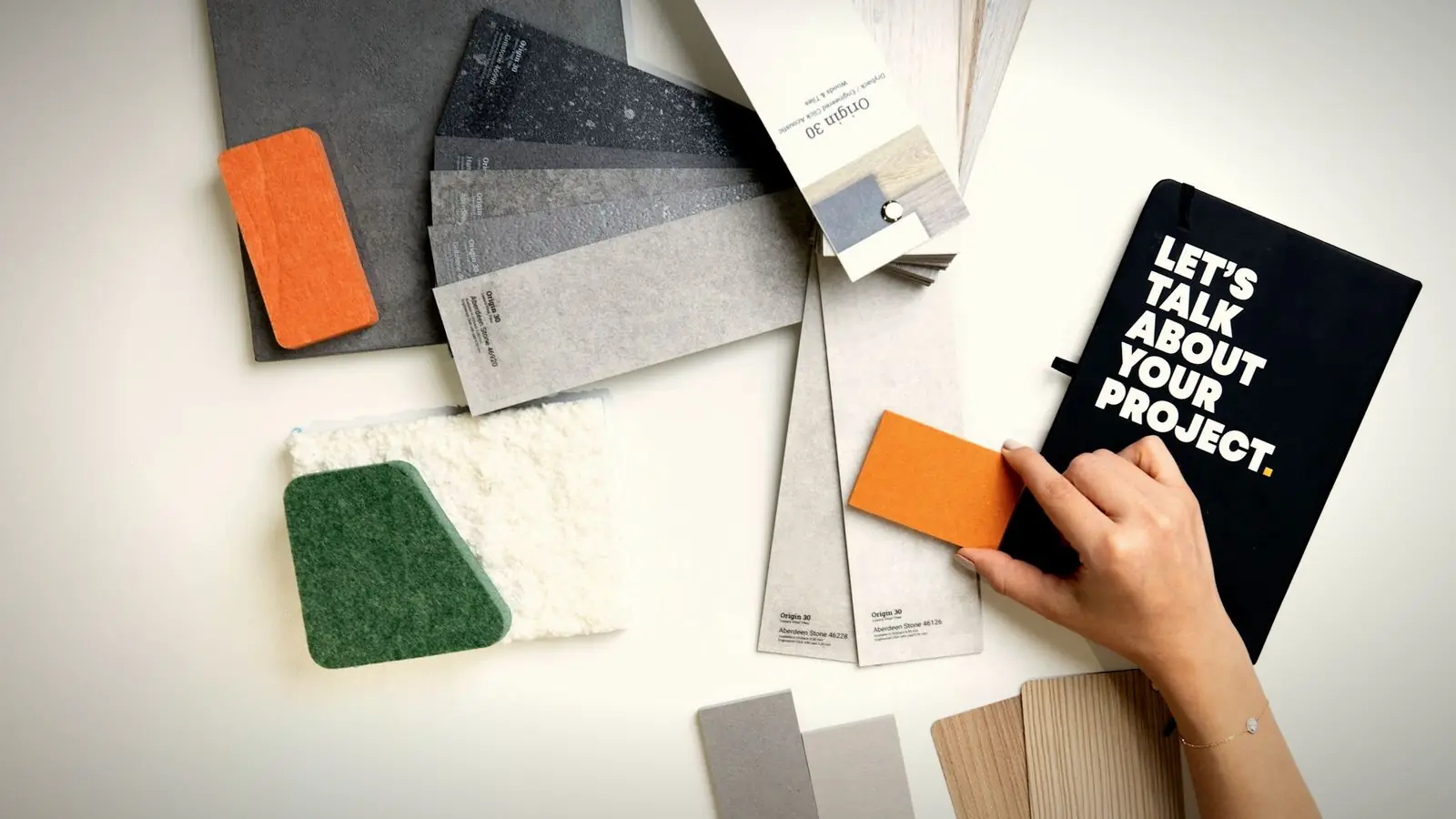
A brand kit fixes that. It is not a 50-page brand book. For a small business, it is a short set of files and rules that anyone can use to make things that look like they belong together. Here is what it should include.
01
Logo files in every format
The heart of the kit is your logo in every version you need: vector files (SVG, PDF, EPS) for print and signboards, transparent PNGs for digital use, plus horizontal, stacked and icon-only layouts. Each should come in colour, single colour, black and white.
When someone asks for your logo, you send the whole folder, and they pick the right file instead of screenshotting your Instagram profile.
02
Your colour palette with codes
List your main colour, supporting colours and accent with their HEX and RGB codes for screens and CMYK values for print. Add a Pantone reference if you print packaging or merchandise.
Include a simple note on how to use them, for example: mostly neutral backgrounds, main colour for headings and key areas, accent only for offers and buttons.
03
Fonts and how to use them
Choose one font for headings and one for body text, and name them in the kit with download links. Free Google Fonts are a practical choice for small businesses, because staff, printers and web developers can all use them without licence costs.
If your business uses Tamil and English, include a Tamil font that pairs well with your English one. Mixing random Tamil fonts is one of the most common reasons local materials look inconsistent.
04
Ready-made templates
Templates are where a brand kit really pays off. A few editable designs, such as an Instagram post, a story, an offer poster, a letterhead and an invoice, mean you or your staff can create new material quickly without starting from scratch or breaking the style.
Canva templates work well for social media because they are easy to edit. For print items, a designer can supply print-ready files with only the text needing changes.
Lock the layout in templates where possible. It is easy to change a headline and price, and harder to accidentally move the logo or switch the font.
05
Photography and image style
A few lines about the kind of photos you use helps a lot: natural light or studio, people or products, warm or cool tones. Add a handful of example images. This keeps your social feed and website feeling like one business even when photos come from different people.
06
Simple usage rules
One or two pages are enough: clear space around the logo, minimum size, what not to do (stretching, recolouring, adding shadows), and your colour and font rules. Write it in plain language so a printer or new staff member can follow it without a designer.
07
Where to keep it
Put everything in one shared folder, such as Google Drive, with clear folder names. Share view access with anyone who creates material for you. When something changes, update the folder, not just one person's laptop.
A brand kit saves money every month
Without a kit, every new freelancer or printer spends time recreating your logo, guessing your colours and finding fonts, and you pay for that time. With one, they start straight away and get it right first time. It also makes your business look established, because everything matches.
Consistency is what makes a small business look bigger than it is.
If you already have a logo you are happy with, a brand kit can usually be built around it without any redesign.
Small business brand kit checklist
- Logo folder. Vector and PNG files in every layout and colour.
- Colours. Codes for screen and print, with usage notes.
- Fonts. Heading, body and Tamil fonts with download links.
- Templates. Social posts, stories, offer poster, letterhead, invoice.
- Images. Photo style notes and examples.
- Rules. One or two pages of simple dos and don'ts.
Start with the logo folder, colours and fonts. Templates can be added one by one as you need them.
Quick answers
What is included in a brand kit?
A small business brand kit usually includes logo files in all formats and versions, a colour palette with codes, font names, a few editable templates and a short page of usage rules.
Is a brand kit the same as brand guidelines?
A brand kit is the set of files and templates you use. Brand guidelines are the rules for using them. For a small business, both fit comfortably into one short folder.
Can I make a brand kit in Canva?
Canva's brand kit feature can store your logo, colours and fonts and is useful for social media. You still need proper vector logo files and print-ready templates for printing.
Related reading
A brand kit your whole team can use.
I put together brand kits with logo files, colours, fonts and editable templates, organised in one shared folder. Logo design starts at ₹8,000 and social media creatives at ₹9,000 a month. Tell me what you need.