
Print · 5 min read · November 2026
Flex, vinyl or ACP: choosing your signboard
Walk down any busy road in Chennai and you will see the full range: faded flex boards curling at the edges, crisp ACP fronts with raised letters, glowing acrylic signs and hand-painted walls. The signboard is often the first thing a customer sees, and the material you choose decides how it looks on day one and how it looks two monsoons later.
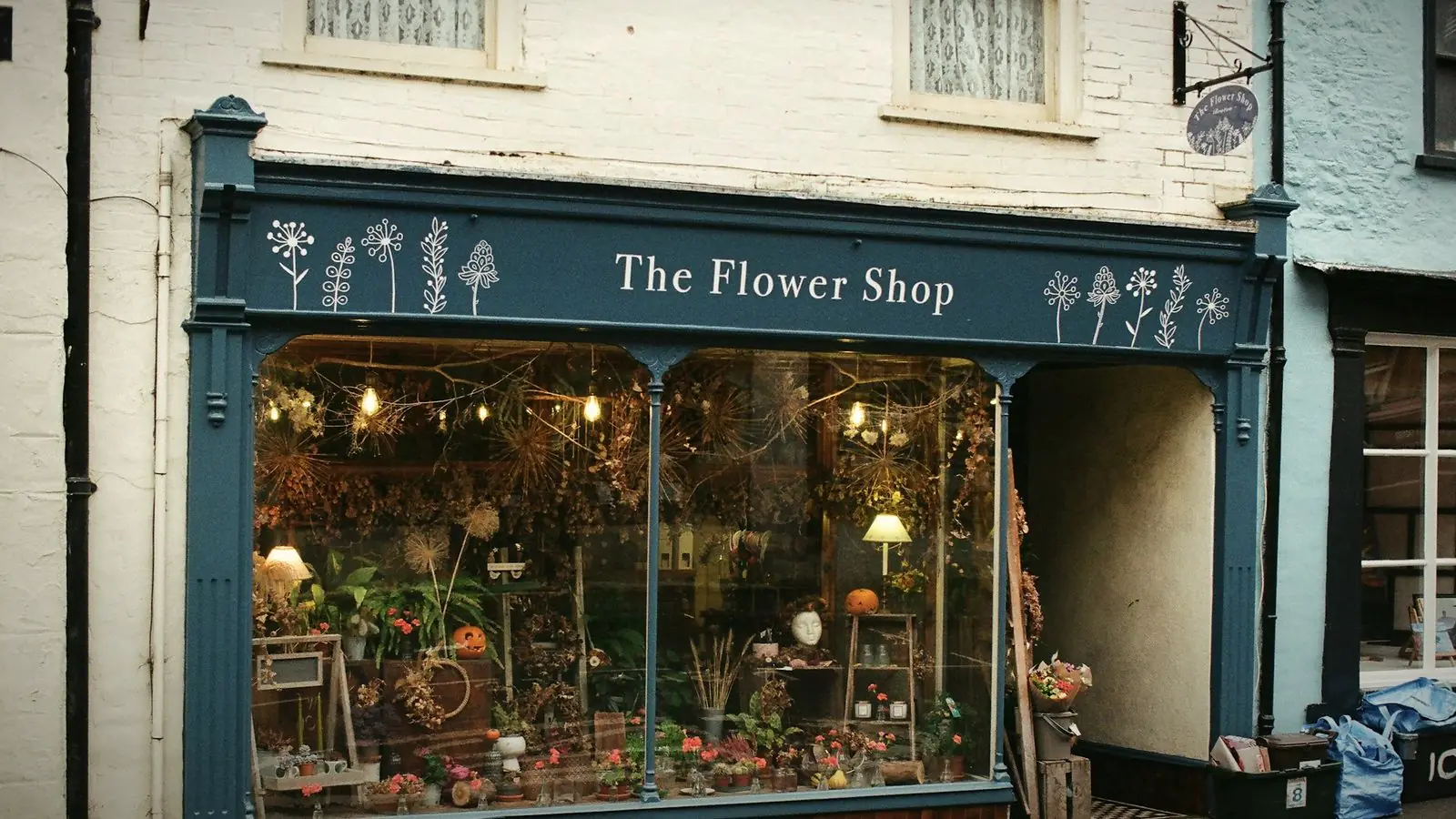
Here is a practical comparison of the common signboard materials, what each is good for, how long you can expect it to last and what your designer needs to prepare for each.
01
Flex: cheap, quick and temporary
Flex is a printed PVC banner material stretched over a metal frame, often backlit with tube lights inside a box. It is the cheapest and fastest option, and you can get a large board printed and fixed within a day or two.
The downside is lifespan. Under Chennai sun and rain, colours fade and the material sags, often within one to two years. Flex is a good choice for temporary signs, new businesses testing a location, event banners and seasonal offers. It is not ideal as a permanent shop front.
02
Vinyl: printed or cut on a rigid surface
Vinyl is a thin adhesive film, either printed or cut into letters, applied to a board, glass or wall. Printed vinyl on a sunboard or ACP backing looks sharper than flex. Cut vinyl lettering on glass is common for shop windows, office doors and timings.
Good-quality vinyl with lamination can last several years outdoors. Cheaper vinyl can peel or fade faster, so ask your sign maker which grade they use.
03
ACP: the clean, modern shop front
ACP, or aluminium composite panel, is a rigid sheet with a solid colour finish. It is used as a clean background for a shop front, with letters added on top in acrylic, steel or vinyl. It does not sag or fade the way flex does and gives a premium, built look.
ACP boards cost more than flex and take longer to fabricate, but they last many years with little maintenance. For a permanent shop, clinic or showroom, ACP with raised letters is one of the best long-term investments.
04
Acrylic and LED letters
Acrylic letters, cut from coloured or clear sheet, can be fixed flat or raised on spacers for a 3D effect. With LED modules inside, they glow at night without the box look of a backlit flex board.
LED letter signs are the most visible after dark and look very professional, but they are also the most expensive and need a reliable electrician for installation and maintenance.
Thin lines and small details in a logo can be difficult to cut in acrylic or fit with LEDs. Ask your designer for a simplified signboard version of the logo if needed.
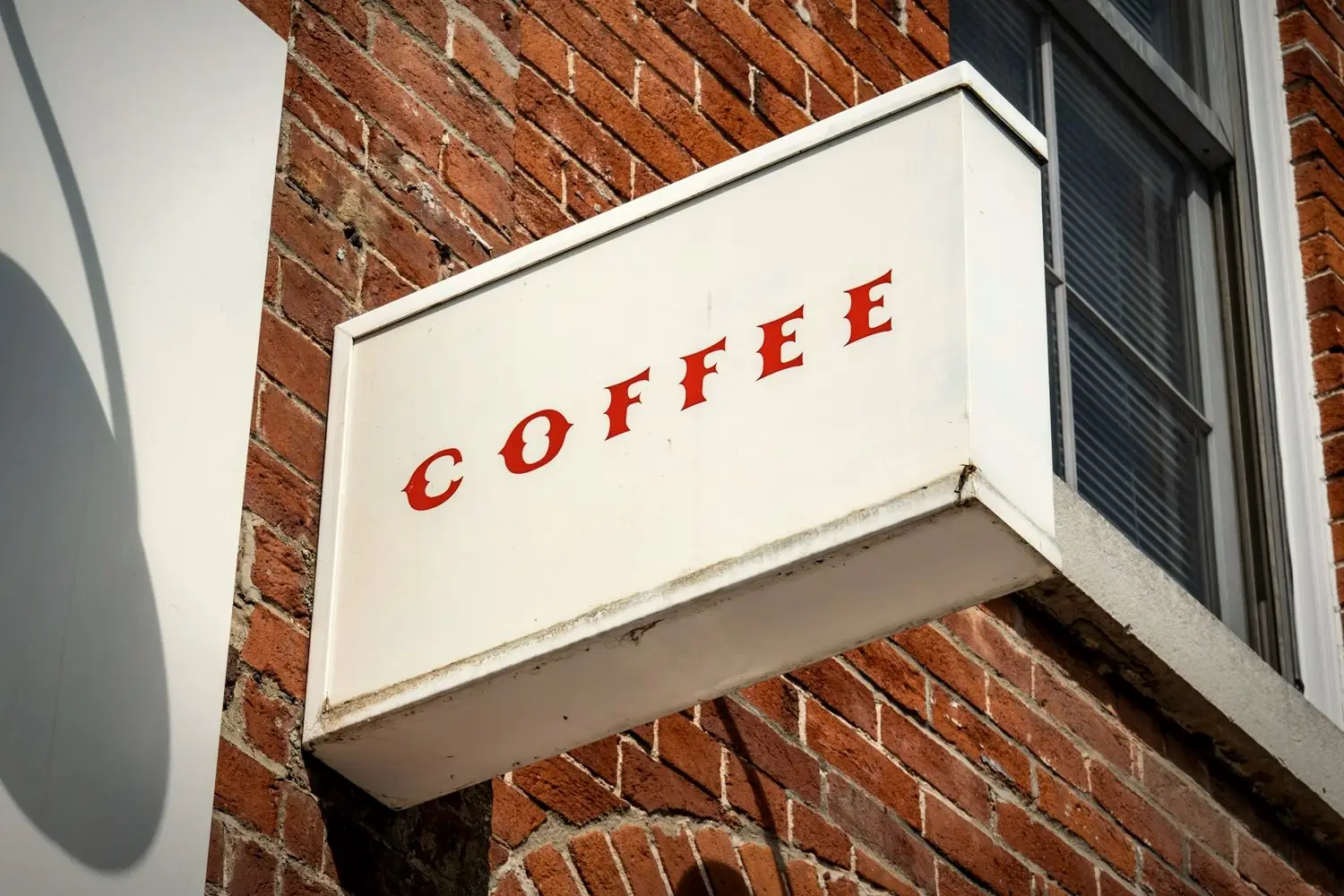
05
What your sign maker needs
For printed flex and vinyl, the sign maker needs a high-resolution or vector file at the correct proportions, with your logo, name, phone number and any other text. For cut letters in acrylic, steel or vinyl, they need a clean vector file with outlined text, because the machine cuts directly from the shapes.
Always give the actual board measurements to your designer before the artwork is made. A design made for a square board will not fit a long narrow shop front without being redesigned.
06
Design for distance
Whatever the material, a signboard is read from across the road or from a moving vehicle. Keep the text to the essentials: business name, what you do in a few words, and perhaps a phone number. Large, simple letters with strong contrast work better than detailed images and long lists of services.
Match the material to how long you'll stay
If you are testing a location or running a short-term offer, flex makes sense. If this is your long-term shop, a better material pays for itself by looking good for years instead of needing a new board every monsoon. Either way, the design should be prepared for the material from the start.
A faded signboard tells customers the business might be fading too.
Ask two or three sign makers for quotes on the same specification, and compare not just price but material grade, lighting and warranty.
Signboard materials compared
- Flex. Lowest cost, fastest, fades in about 1–2 years outdoors.
- Printed vinyl. Sharper than flex, lasts several years with good grade and lamination.
- Cut vinyl. Clean lettering for glass, doors and timings.
- ACP. Rigid, modern, long-lasting background for letters.
- Acrylic and LED letters. Premium look, most visible at night, highest cost.
Lifespans depend on sun exposure, material quality and installation. These are typical ranges, not guarantees, so confirm with your sign maker.
Quick answers
Which is better, flex or ACP signboard?
ACP lasts much longer and looks more premium, but costs more. Flex is cheaper and quicker, and suits temporary or short-term signs.
How long does a flex signboard last?
Outdoors in Chennai's sun and rain, a flex board typically starts fading within one to two years, depending on material quality and exposure.
What file format does a signboard maker need?
A vector file such as PDF, AI or SVG with text converted to outlines, prepared at the correct proportions for your board size.
Related reading
Signboard artwork ready for any material.
I prepare signboard files sized to your board, with a simplified logo version for cut letters if needed. Poster and sign artwork starts at ₹1,500 per design. Send me your board size.